


Content note: This article discusses suicide and a fictional depiction of self-harm. It does not describe the scene in graphic detail. If you are in immediate danger or thinking about harming yourself, contact local emergency services or a crisis support service in your country.
Why the bathtub scene became the series’ defining moment
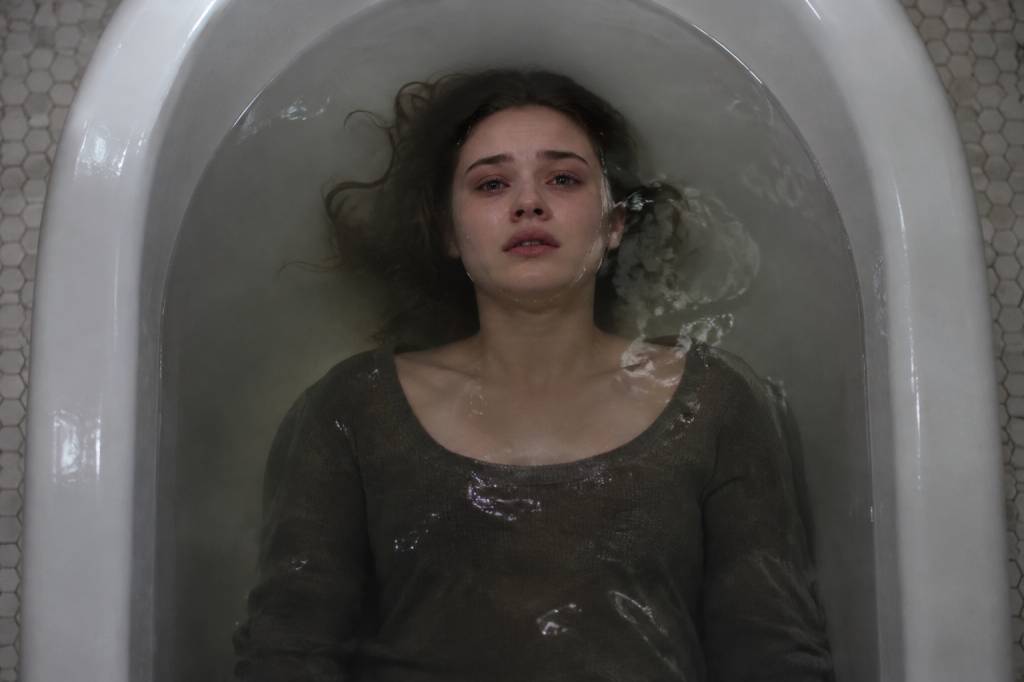
In the first season of 13 Reasons Why, Hannah Baker’s death is the story’s central event. The bathtub scene, shown in the season finale, makes that event visible in a way the series had largely avoided until then. It also became one of the show’s most debated choices: a moment intended to confront viewers with the consequences of suicide, but one many critics and mental health advocates argued was too explicit.
The controversy was not simply about whether the scene was upsetting. It was about what an image like this can communicate, especially to a young audience. Does showing the death make the consequences harder to ignore, or does it risk turning suicide into a spectacle? The answer depends partly on the viewer, but the question shaped the reception of the series—and eventually led Netflix to edit the scene.
Understanding its meaning and legacy requires looking at three things: how the scene fits the story, how it was received, and what changed after its release.
Where the scene sits in the story
13 Reasons Why adapts Jay Asher’s 2007 novel. In both versions, Hannah leaves a set of recordings explaining experiences that contributed to her despair. The Netflix series expands the novel’s world, showing how classmates, friends, and adults respond as the recordings circulate. Its structure moves between Hannah’s past and the present, asking viewers to compare what people knew with what they failed to notice.
The bathtub scene arrives in the finale, after the series has presented much of Hannah’s account. It is not framed as a mystery about whether she will die; viewers know the outcome from early in the story. The scene instead supplies a visual endpoint to the history they have been watching. Hannah’s mother, Olivia, discovers her, and the story shifts from the private experience Hannah described to the immediate devastation faced by her family.
That shift matters. For much of the season, Hannah’s voice controls the narrative through her recordings. In the finale, the consequences extend beyond her account. Her parents are left to face the loss, while the students who heard the tapes must reckon with their own actions and omissions. The scene is therefore meant to mark not just an individual death, but the sudden, irreversible effect it has on other people.
What the scene is intended to mean
The scene’s dramatic purpose is clear: it removes any distance between the story’s build-up and its outcome. Earlier episodes ask viewers to listen to Hannah’s account, interpret it, and consider how different events affected her. The finale shows that no explanation can undo what has happened. A recording can preserve someone’s words; it cannot restore the person who spoke them.
That distinction also complicates the series’ title and structure. The tapes create a list-like account of people and experiences, which can make the story feel orderly: one recording follows another, and each episode supplies a new piece of context. The death itself is not orderly. The scene interrupts the format’s sense of narrative control and brings viewers back to the human cost underneath the mystery.
But intention and effect are not the same. A scene can be designed to discourage suicide and still affect viewers in ways its creators did not intend. That tension became central to the public discussion of 13 Reasons Why.
Why viewers and experts disagreed
Supporters of the original scene argued that its directness made the death feel real rather than abstract. In their view, the image confronted viewers with the gravity of Hannah’s choice and the grief it caused. Some also valued the show’s willingness to address subjects that television often softened or avoided.
Critics raised a different concern: showing the act in detail could be harmful, particularly for viewers already vulnerable to suicidal thoughts. Public health guidance on media portrayals of suicide generally urges creators to avoid graphic depictions, sensationalism, and accounts that suggest suicide is a simple or inevitable response to hardship. It also recommends emphasizing help-seeking, recovery, and the complexity of risk.
The concern was not that fictional stories should never depict suicide. It was that visual detail can have an impact beyond the story’s stated message. Young viewers may watch without support, may identify strongly with a character, or may encounter the scene unexpectedly. A warning at the start of an episode can help, but it cannot guarantee that every viewer is prepared.
Critics also questioned whether the series connected Hannah’s death too closely to the actions of other people. The tapes give the plot a clear chain of events, but suicide is rarely explained by one cause or reduced to a single list of people to blame. Some viewers worried that the format could encourage a simplified reading: that particular classmates were responsible, or that death could serve as a final message to those who caused pain. The show’s broader story is more complicated than that, but its dramatic design invited debate about how audiences might interpret it.
Netflix’s edit and what it changed
In July 2019, Netflix announced that it had edited the season-one finale. The company said it had consulted with medical experts and that the revised version removed the graphic depiction of Hannah’s suicide. The updated scene cuts from Hannah preparing to harm herself to her mother discovering her afterward.
The change came more than two years after the season’s release. That timing is significant. It reflected sustained discussion among viewers, clinicians, educators, and organizations focused on suicide prevention, rather than a routine production adjustment. It also showed that a streaming service could alter an established scene after public debate about its possible effects.
The edit did not remove Hannah’s death from the story. It changed how the death was represented. Viewers still understand what happened, and the family’s grief remains part of the finale, but the act itself is no longer shown in the same explicit way. That distinction addresses one major criticism while leaving other questions—about the tapes, blame, and the series’ overall framing—open to discussion.
For viewers comparing versions, it is useful to know that the original and revised scenes differ. The change is not a new ending or a rewritten plot; it is a change in the level of visual detail. Netflix also added content information and directed viewers toward support resources around the series.
The scene’s wider impact on the series
The bathtub scene became a reference point in arguments about the responsibility of entertainment aimed at teenagers. It is often discussed alongside the series’ other difficult material, including bullying, sexual assault, and depression. The discussion helped prompt schools and families to ask what young viewers were watching and whether they had a safe way to talk about it afterward.
That attention had practical value, but it also produced a familiar problem: conversation about a controversial image can eclipse conversation about support. Viewers might remember the controversy more clearly than the available resources or the show’s attempts to depict adults responding. A responsible discussion of the episode needs both: an honest account of the scene’s risks and a clear reminder that people experiencing suicidal thoughts deserve immediate, compassionate help.
The series’ legacy is therefore mixed. 13 Reasons Why brought suicide and adolescent mental health into mainstream pop-culture conversation. It also became an example used in debates about whether dramatic storytelling can unintentionally romanticize, simplify, or intensify a subject it means to treat seriously. Its impact cannot be measured by attention alone; the quality of the portrayal matters too.
How to discuss the scene with a young viewer
Parents, teachers, and other trusted adults do not need to deliver a lecture after an episode. A calm, open conversation is often more useful. The goal is to find out how the viewer responded, correct harmful assumptions, and make help easier to access.
-
Ask what stood out to them, rather than assuming the scene affected them in a particular way.
-
Make clear that suicide is not a solution, a punishment, or a reliable way to make others understand someone’s pain.
-
Avoid treating one event or person as the sole cause of Hannah’s death. Real-life suicidal crises are complex and call for support, not blame.
-
If the viewer seems distressed, take that seriously. Ask directly whether they feel unsafe or have thoughts of harming themselves, and connect them with a trusted adult or qualified professional.
-
Use the conversation to identify people and services the viewer can contact. If there is immediate danger, contact local emergency services.
These steps do not require viewers to agree about the artistic value of the scene. They provide a way to respond to its subject without turning distress into a debate about whether someone should have been affected by it.
What the scene leaves behind
The bathtub scene remains one of the most discussed moments in 13 Reasons Why because it sits at the intersection of storytelling and public responsibility. It gives the season a stark ending, shifts attention from Hannah’s recordings to her family’s loss, and makes the consequences of her death impossible to miss. At the same time, its original graphic presentation raised concerns about how suicide should be depicted for a young audience.
Netflix’s later edit changed the image but not the story’s central fact. The debate remains useful because it asks a broader question: when a series tackles a real and sensitive subject, is dramatic impact enough? A careful answer must consider craft, audience, context, and the possibility of harm together.
Key points: the scene closes Hannah’s narrative and foregrounds the grief left behind; its original level of detail drew criticism from mental health advocates; Netflix later removed the graphic depiction; and conversations about the episode should prioritize support over blame or spectacle.