


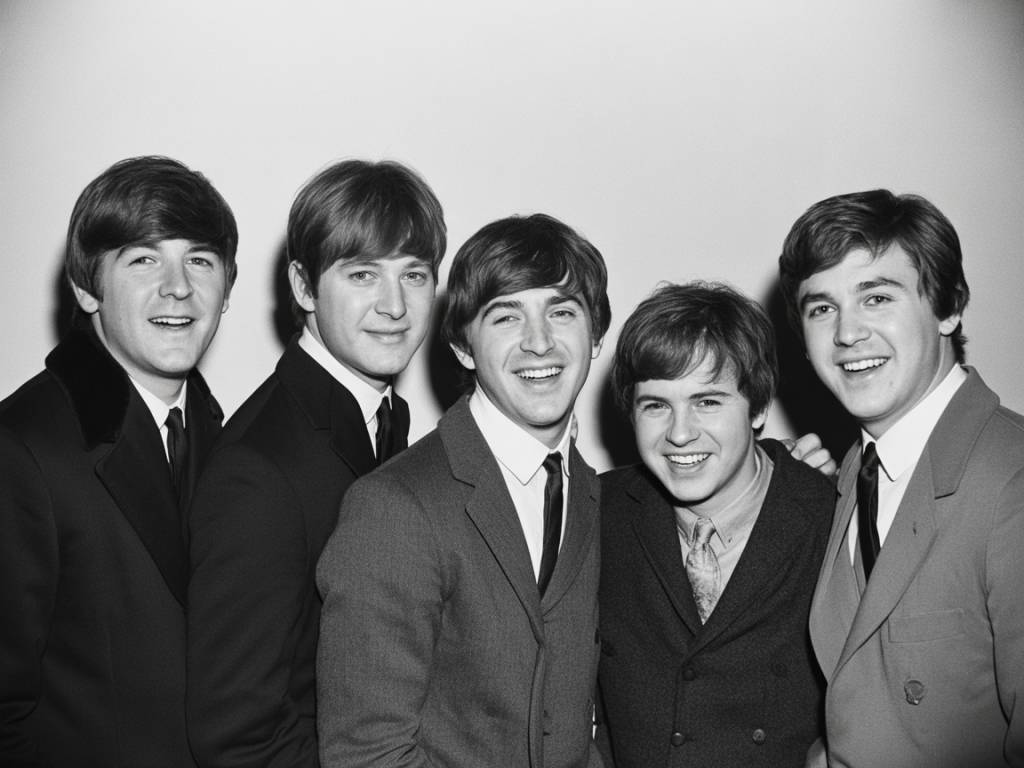
Every generation in the United States has had its soundtrack: protest folk in the 1960s, disco in the 1970s, hip-hop from the 1980s onwards. Yet one catalog traverse all these eras without quitter les playlists: the Beatles. More than fifty years after their breakup, their songs still turn up in Super Bowl ads, TikTok trends, college a cappella sets and movie soundtracks from indie dramas to Marvel blockbusters.
To understand why, it helps to revenir aux morceaux eux-mêmes. Below is a selection of 50 Beatles songs that did not just top charts, but helped define a generation in America – and still frame how American life sounds, from road trips to weddings to protest marches.
How the Beatles rewired American listening habits
When the Beatles appeared on The Ed Sullivan Show in February 1964, an estimated 73 million Americans watched, roughly 40% of the U.S. population at the time. That single broadcast accelerated a shift already underway: teenagers becoming a distinct market, radio programmers chasing youth tastes, and rock music moving from fad to infrastructure.
What followed was less a linear evolution than a sequence of abrupt stylistic jumps. The group went from Merseybeat pop to studio experimentation in just six years of record-making. That compressed timeline means many of the turning points in rock, pop and even indie music are clustered inside this one catalog. For U.S. listeners, these songs framed growing up, falling in love, going to war, protesting that war and later remembering all of it with a mix of nostalgia and critique.
The list below is organized broadly from early singles to late-period studio work, with an eye on two criteria: how much each track shaped its original era in the U.S., and how recognizably it still surfaces in American culture today.
Early impact: from Beatlemania to mainstream acceptance
- I Want to Hold Your Hand (1963) – The first Beatles No. 1 on the U.S. Billboard Hot 100 and a key spark of Beatlemania. Its tight structure, handclaps and clean guitar tones made it acceptable to parents while still feeling electric to teenagers. It remains a shorthand for innocent first love in films and TV set in the early ’60s.
- She Loves You (1963) – The “yeah, yeah, yeah” refrain became a catchphrase across American media. Radio programmers used it to test new speakers; cover bands still rely on it to instantly pull older crowds onto the dance floor.
- All My Loving (1963) – Televised during that first Ed Sullivan appearance, this song helped cement the idea that a pop band could deliver tight vocal harmonies and driving rhythm live, not just in the studio. It shows up regularly in biopics and documentaries to mark the “arrival” phase of 1960s youth culture.
- Can’t Buy Me Love (1964) – A song about money not guaranteeing happiness, released into a country already feeling the first tensions of consumerism vs. counterculture. Its title is still quoted in headlines about celebrity wealth and in commercials that pretend to critique materialism while selling more of it.
- A Hard Day’s Night (1964) – The opening chord alone has become a cultural reference point. As the title track to the Beatles’ first feature film, it demonstrated that rock groups could anchor profitable movies, influencing American media’s later integration of music and film franchises.
- Help! (1965) – Beneath the upbeat tempo sits a lyric about anxiety and pressure. In American context, it tracked with early cracks in the polished image of youth happiness. Today, it often surfaces in playlists and soundtracks that treat mental health more openly, turning a mid-’60s cry into a modern theme.
- Ticket to Ride (1965) – Longer and more rhythmically off-kilter than most pop singles of its time, it signaled that radio could handle moodier textures. U.S. rock programmers cite it as one of the early songs that made “album cuts” and more complex arrangements viable on FM radio.
- Eight Days a Week (1964) – Famous for its fade-in, unusual for the era, the track embodies the Beatles’ talent for taking simple love lyrics and wrapping them in small but memorable studio experiments. It still plays reliably in American grocery stores and diners, part of the everyday sonic wallpaper.
- Yesterday (1965) – Essentially a solo Paul McCartney performance with string quartet, this ballad helped normalize the idea that a rock band’s output could include orchestral, introspective pieces. It became one of the most covered songs in history and an American standard played at weddings, funerals and talent shows alike.
- In My Life (1965) – A reflective lyric about memory and change resonated strongly in a country heading into late-1960s turbulence. Over decades, it has become a default choice for graduation videos, memorial slideshows and TV episodes marking a character’s arc.
Mid-1960s: expanding topics, expanding sound
- Nowhere Man (1965) – One of the first Beatles songs not explicitly about romance. Its portrait of alienation mirrored the feelings of many young Americans caught between traditional expectations and a shifting culture.
- Norwegian Wood (This Bird Has Flown) (1965) – Introduced many Western listeners to the sitar via George Harrison’s playing. For American rock, it became a gateway to incorporating non-Western instruments, influencing later psychedelic and world-inflected music scenes.
- Drive My Car (1965) – A playful inversion of gender roles, with the woman as the aspiring star. Its car imagery fits naturally into U.S. road-movie culture; the riff still anchors driving playlists and car commercial soundtracks.
- Michelle (1965) – English–French lyrics and a smooth melody helped the track cross adult contemporary and youth markets in the U.S. It still functions as a musical shorthand for “romantic European mood” in American TV and advertising.
- We Can Work It Out (1965) – With its time-signature shifts and pragmatic lyric about conflict, the song continues to appear in U.S. political commentary, often invoked ironically when compromise seems unlikely.
- Paperback Writer (1966) – A song about wanting to break into publishing, released into a country where mass-market paperback culture was booming. Its bright guitar tone and vocal echo effects anticipated late-’60s power pop, a style that would influence American college rock later on.
- Eleanor Rigby (1966) – A stark string arrangement and lyrics about loneliness, death and social neglect marked a sharp departure from typical pop topics. For American audiences, it expanded the emotional range of what rock-adjacent music could address.
- Yellow Submarine (1966) – Officially a children’s song, unofficially a communal chant. In the U.S., it has lived parallel lives: as a sing-along for kids, a marching-band staple at sports events and a fixture of psychedelic nostalgia in films and commercials.
- Here, There and Everywhere (1966) – Quiet, intricate and harmonically sophisticated, this track influenced generations of American singer-songwriters. It frequently appears on lists compiled by U.S. musicians citing their songwriting templates.
Psychedelia and the cultural earthquake
- Tomorrow Never Knows (1966) – Tape loops, drone-based harmony and a lyric drawn from Timothy Leary’s adaptation of the Tibetan Book of the Dead arrived in American record stores months before the Summer of Love. The track forecast the texture of psychedelic rock and later electronic music; U.S. DJs and producers often reference it as an early blueprint.
- Strawberry Fields Forever (1967) – Released as a double A-side single with “Penny Lane,” this song captured a more internal, surreal version of 1960s experimentation. In American films, it often underscores flashback sequences or scenes about fractured memory.
- Penny Lane (1967) – A detailed portrait of everyday life in a specific place, resonating with American listeners watching their own small towns change under suburbanization. Its brass arrangement influenced later baroque pop in both U.K. and U.S. indie scenes.
- Lucy in the Sky with Diamonds (1967) – Whether read as a drug reference or simply as vivid imagery, the song became inseparable from the American narrative of late-1960s psychedelia. Its title still appears in article headlines about LSD, art and counterculture.
- With a Little Help from My Friends (1967) – The Ringo-sung original is modest; Joe Cocker’s powerful cover at Woodstock gave the song a second American life as an anthem of communal support. Today, the Beatles version is widely used in TV and film to signal friendship and found family.
- A Day in the Life (1967) – The orchestral crescendos and final chord turned the end of Sgt. Pepper into an event. In U.S. culture, the song stands as proof that a rock album could function almost like a composed suite, paving the way for concept albums across genres.
- All You Need Is Love (1967) – Premiered to the world via a live global television broadcast, it quickly became a soundtrack to anti-war marches and “Summer of Love” imagery in the U.S. Even when later generations treat its message as naïve, the phrase remains one of the most quoted pop lyrics in American media.
- Magical Mystery Tour (1967) – While the accompanying TV film landed poorly in the U.K., the U.S. album release helped sustain psychedelic momentum. The track itself continues to color documentary soundtracks about hippie-era road trips and experimental art.
Late 1960s: tension, protest and fragmentation
- Hello, Goodbye (1967) – Built on simple opposites, the song took on additional meaning in an America dealing with political assassinations and social division. Its contrasting words have made it a frequent reference in commentary about polarization.
- Revolution (single version, 1968) – John Lennon’s distorted guitars and ambivalent lyric about violent uprising sparked debate among American activists at the time. Conservative commentators sometimes quoted it as evidence that even counterculture icons questioned radical tactics.
- Blackbird (1968) – Inspired partly by the U.S. civil rights movement, the song has since been taken up by American artists and audiences as a gentle anthem of resilience. It appears in films and series dealing with race, disability and personal struggle, often stripped back to solo voice and guitar.
- While My Guitar Gently Weeps (1968) – Eric Clapton’s lead guitar, invited by Harrison, symbolized growing collaboration between British and American rock scenes. In U.S. rock radio, the track remains a frequent recurrent, admired for its blend of technical playing and emotional content.
- Hey Jude (1968) – At over seven minutes, it challenged radio conventions and won. The extended “na-na-na” coda turned it into a communal chant suitable for stadiums, bars and family reunions. In American life, it often functions as a closing ritual: last song at a party, last encore at a concert.
- Ob-La-Di, Ob-La-Da (1968) – Often dismissed by critics, but its simple family narrative and bounce made it a cross-generational favorite in the U.S. sitcoms and commercials lean on it when they need “cheerful chaos” with a retro tint.
- Back in the U.S.S.R. (1968) – A Beach Boys pastiche about the Soviet Union, released in the middle of the Cold War. For American listeners, it highlighted how pop music could parody geopolitical narratives while still delivering a surf-rock thrill.
- Happiness Is a Warm Gun (1968) – Its title, reportedly taken from an American gun magazine headline, has echoed ironically as U.S. debates over firearms intensified. The song’s rapid mood shifts and dark humor continue to attract cover versions across alternative genres.
- Helter Skelter (1968) – A proto-metal exercise that would later be tragically associated with the Manson murders in California. For American culture, that dual legacy—sonic aggression and true-crime infamy—ensured the track’s presence in histories of both music and violence.
- Don’t Let Me Down (1969) – Recorded with Billy Preston and performed on the rooftop concert, it captures the mixture of intimacy and exhaustion in late-period Beatles. In the U.S., it shows up regularly in adult rock playlists and films focusing on complicated relationships.
Final phase: breakup, memory and ongoing resonance
- Come Together (1969) – Swampy groove, cryptic lyrics and a title phrase repeatedly reused in U.S. political and social campaigns. The song’s bass line is one of the most recognizable in rock, sampled and covered across genres.
- Something (1969) – Frank Sinatra reportedly called it “the greatest love song of the past 50 years.” In American weddings, it functions as a slightly less overexposed alternative to “Here Comes the Sun,” still carrying the weight of Harrison’s late-blooming songwriting status.
- Here Comes the Sun (1969) – One of the Beatles’ most-streamed songs in the U.S. in the 21st century. Its link to seasonal change and recovery makes it a frequent choice for TV montages, spring advertising campaigns and playlists about personal renewal.
- Because (1969) – Triple-tracked harmonies and a slow, almost choral progression. American a cappella groups and vocal ensembles regularly use it as a benchmark for their arranging and tuning skills.
- Golden Slumbers / Carry That Weight / The End (1969) – Technically three tracks, but culturally received as a single suite. In American narratives about the Beatles, this medley often underscores documentary sections about endings and legacy.
- Let It Be (1970) – Gospel-inflected, with lyrics that invite spiritual but not specifically religious readings. It has become a default communal song in the U.S. for vigils, benefit concerts and televised responses to tragedy.
- The Long and Winding Road (1970) – The Phil Spector-produced version, with heavy strings, divided fans but matched American adult contemporary tastes of the era. The stripped-back versions released later appealed to listeners who preferred the band’s less orchestrated sound.
- Across the Universe (recorded 1968, released 1970) – Meditative lyrics and flowing melody attracted later generations of American listeners through covers and film placements. The title alone has become a shorthand phrase for attempts at cosmic perspective.
- Two of Us (1970) – Ostensibly about a romantic relationship, often read as commentary on Lennon and McCartney’s partnership. In American culture, it shows up in retrospectives about creative duos, from tech founders to comedy partners.
- Get Back (1969/1970) – Initially written with satirical references to British anti-immigrant sentiment, it later became a broader “return to basics” anthem. In U.S. advertising and branding, the phrase “get back” is regularly recycled to suggest authenticity and roots.
Why these songs still soundtrack American life
Streaming data suggests that younger American listeners do not approach the Beatles as a 1960s band to be archived, but as a playlist source sitting alongside current pop and indie acts. Catalog spikes follow moments like film placements (Yesterday, Across the Universe, Mad Men), high-profile covers and documentary releases such as The Beatles: Get Back.
Several patterns explain this endurance. First, melodic clarity: even complex tracks carry singable lines that work on phone speakers and in stadiums. Second, thematic breadth: from “I Want to Hold Your Hand” to “A Day in the Life,” the catalog moves from teenage crushes to systemic loneliness, matching different stages of American adulthood. Third, technical adaptability: these songs survive being translated into R&B, metal, jazz, country or bedroom-pop arrangements without losing their core identity.
Finally, the Beatles’ history is now deeply woven into the American story of the 1960s: civil rights, Vietnam, counterculture, mass media. Listening to these 50 songs today is not only about nostalgia. It is a way of replaying key chapters of U.S. social change while recognizing how much of the emotional vocabulary—love, doubt, irony, hope—they helped to standardize.
For an American audience in 2025, the practical question is simple: what can these tracks still do? They can anchor a playlist that bridges generations at a family gathering. They can provide sonic references when judging new artists selling “Beatles-esque” melodies. They can supply ready-made emotional cues for filmmakers, advertisers and content creators. Most of all, they offer a compact, reusable toolkit for thinking about how pop music can be both a product of its moment and a device that outlives that moment.
In short:
- The Beatles’ American impact was accelerated by TV, radio and film, but sustained by songs that hold up under new formats and new contexts.
- These 50 tracks chart a path from early teen pop to studio experimentation, mirroring shifts in U.S. society from optimism to disillusion to reflection.
- The songs continue to function as cultural shorthand in American media, advertising and everyday rituals, from weddings to protests.
- For listeners today, they remain both a listening archive and a live resource: familiar enough to feel safe, flexible enough to be reinterpreted with each new generation.