
Alternatives to blue apron for americans who love cooking but hate meal kit routines
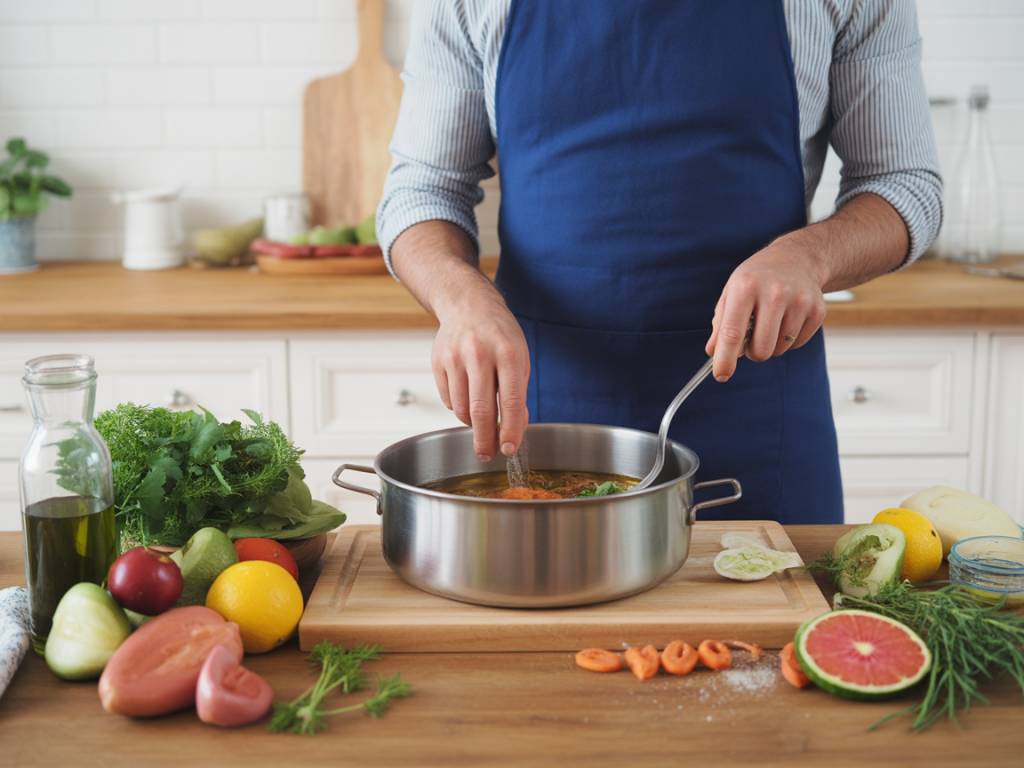
Alternatives to blue apron for americans who love cooking but hate meal kit routines
If you enjoy cooking but feel boxed in by Blue Apron–style meal kits, you are not alone. The fixed recipes, portioned ingredients and weekly deadlines that made these services popular can also make them feel like homework. The good news is that there are now enough alternatives in the U.S. to keep the convenience, drop the routine, and recover some creative control in the kitchen.
This article looks at several concrete options: flexible grocery boxes, “build-your-own” meal services, smarter ways to shop for pantry staples, and tools that help you generate ideas from what you already have. The focus is on practical trade-offs: cost, time, variety and how much actual cooking you get to do.
Why classic meal kits stop working for many home cooks
Meal kits like Blue Apron were designed around a clear promise: skip planning and shopping, keep the fun parts of cooking. In practice, three recurring pain points show up in user reviews and subscriber churn data across the industry.
First, the routine becomes repetitive. Even when menus rotate weekly, the structure is rigid: three to four dinners, similar cooking times, similar cuisines, and a narrow band of difficulty. People who cook regularly often report “recipe fatigue” after a few months.
Second, the economics do not always scale. Per-portion prices are usually competitive with eating out, not with normal grocery shopping. For households that already shop in bulk, or that cook most meals at home, meal kits can feel like an add-on rather than a replacement.
Third, the logistics are unforgiving. You have to choose meals by a given cutoff date, skip weeks proactively, and cook fresh ingredients before they age out. That structure can help some people stay on track; for others, it amplifies the sense of obligation.
If you recognize yourself in that pattern, you probably do not need another kit with different branding. You need a different type of service architecture: more flexible inputs, less prescriptive outputs.
Alternative 1: Grocery and produce boxes instead of pre-planned meals
One way to keep delivery but ditch the script is to switch from “recipe boxes” to “ingredient boxes”. These services ship groceries or produce with minimal or no attached recipes, leaving you in charge of what you cook.
Two main categories have grown in the U.S. market:
- Misfit/discount produce services (for example, Misfits Market, Imperfect Foods in many regions)
- Local CSA boxes (Community Supported Agriculture from nearby farms)
They work differently from Blue Apron-style kits.
With “imperfect produce” platforms, you typically log in weekly, choose a size of box and then customize its contents from a catalog of fruits, vegetables and pantry items. Much of the inventory consists of surplus or cosmetically imperfect goods, which is why prices often come in below supermarket retail. You do not get step-by-step recipes, but many apps add optional recipe suggestions or links.
With CSA programs, you usually subscribe for a season. Each week (or bi-weekly), you receive what the farm harvests: greens in spring, tomatoes and corn in late summer, squash and roots in fall. The selection is less customizable but often fresher and more seasonal than anything in a box meal kit. That format pushes you back into real cooking: you look at what arrived and build meals around it.
The advantages for someone who likes cooking are clear:
- You are not locked into specific recipes or cuisines.
- You can stretch ingredients across multiple meals and leftovers.
- You can combine the box with what is already in your pantry or freezer.
The trade-off is that you need to be comfortable improvising, or at least willing to search for recipes on your own. If following a guided card is what keeps you in the kitchen, a pure produce box may feel too unstructured. If your problem is the opposite—that you feel overly scripted—it is a useful reset.
Alternative 2: Flexible “build-your-own” meal services
Between a strict meal kit and a raw grocery box, a new layer of services has appeared: platforms that partially prep ingredients, but allow more mixing and matching than Blue Apron.
Examples in the U.S. include services like Home Chef’s “Customize It” line or HelloFresh’s add-ons, as well as smaller regional players that offer modular components: cooked grains, marinated proteins, sauces and chopped vegetables that can be combined in different ways.
The core idea is simple: instead of three fully-defined recipes, you might order:
- a package of grilled chicken breast or seasoned tofu,
- a container of cooked farro or rice,
- two or three sauces (for example, chimichurri, curry, lemon-herb),
- prep work like chopped onions, shredded cabbage or roasted vegetables.
From there, you can assemble salads, bowls, tacos or pasta dishes without being locked into Tuesday’s card. You still save time on prep, but you get to decide what the final dish looks like.
For home cooks who enjoy experimenting with flavor but dislike dicing onions every night, this format can be a good middle ground. You pay a premium versus raw groceries, but usually gain:
- shorter active cooking times,
- more room to adjust portions or combine leftovers,
- freedom to change course if your plans or cravings shift midweek.
When evaluating these services, two questions matter more than branding:
- Can you reorder components without committing to full “meals” each week?
- Are the items versatile enough to work across different cuisines?
If the answer to both is yes, the service probably fits better with an unstructured but enthusiastic home cook than a traditional meal kit.
Alternative 3: Meat and seafood subscriptions for protein-forward cooks
For many home cooks, the main friction point is not vegetables or pantry items; it is buying and planning proteins. Blue Apron and similar kits solve that by including exactly what you need, but the same goal can be met with meat and seafood subscriptions that keep your freezer stocked without prescribing tonight’s dinner.
Across the U.S., options include nationwide services like ButcherBox or Crowd Cow, and regional butchers that ship within their states. The offering is usually one of the following:
- curated boxes (for example, “mixed cuts”, “all chicken”, “premium steak”),
- fully customizable boxes where you pick each cut and quantity.
The practical effect for a home cook is straightforward. Once a month, your freezer holds ground meat, chicken thighs, fish fillets or plant-based alternatives. During the week, you take out what fits your schedule and mood, then build sides from whatever is in your pantry or produce drawer.
Compared with Blue Apron, this structure trades recipe certainty for flexibility. Instead of three labeled dinners, you have ten or more possible meals built around the same proteins: tacos one night, stir-fry the next, a slow cooker dish on the weekend.
Key things to consider:
- Storage: Do you have enough freezer space to make a subscription worthwhile?
- Variety: Does the service rotate cuts or let you choose, to avoid boredom?
- Sourcing: Is there clear information on origin and farming/fishing practices, if that matters to you?
If your primary frustration with meal kits is their limited protein choices or small portions, a protein-first box combined with normal grocery shopping can give you more control for a similar or lower monthly cost.
Alternative 4: Smarter online grocery and pantry restocking
Sometimes the alternative to a meal kit is not another subscription but a better system for restocking your basics. The U.S. online grocery ecosystem has matured enough that you can automate much of your pantry without locking yourself into recipes.
Three broad tools cover most needs:
- delivery services like Instacart or Walmart+ for weekly “big shops”,
- membership-based marketplaces like Thrive Market for specialty items,
- subscription options on platforms such as Amazon for staples (oils, grains, canned goods).
The strategy here is less about novelty and more about friction reduction. If your pantry always contains a familiar core—rice or pasta, lentils or beans, a few canned tomatoes, good oil, some frozen vegetables—then your need for a kit to “save” dinner drops sharply.
For the home cook who loves experimenting, that stability matters. You can buy unusual spices, regional condiments or specialty flours as one-off treats, knowing that the base of the meal is already in your kitchen. This directly addresses one often-overlooked weakness of meal kits: once you stop, your pantry may be under-stocked because the kit did all the planning for you.
The main risk in switching to this model is overbuying. Without the tight portions of a kit, you need to pay attention to expiration dates and storage. Simple practices such as keeping a running list on your phone or standardizing a “Sunday pantry check” can offset that.
Alternative 5: Recipe apps that work with what you already have
One thing Blue Apron and similar services do well is reduce decision fatigue: you do not spend fifteen minutes scrolling recipes at 6 p.m. If you want the same mental relief without the boxes, recipe apps that use your existing ingredients are a realistic substitute.
Several apps in the U.S. market allow you to input what you have on hand and then generate recipes or meal ideas. Features typically include:
- scanning barcodes or typing ingredients in your pantry,
- filtering recipes by time, difficulty or dietary preference,
- auto-generating shopping lists for missing items.
This approach changes the order of operations. Instead of choosing a recipe first and then shopping (the classic cookbook or blog model), you anchor in your current ingredients and let the app suggest multiple paths forward. That is close to the experience of a skilled home cook who opens the fridge, sees leftovers and thinks: “This could become fried rice, a frittata or a soup.”
For Americans who like cooking but dislike rigid routines, this can be the missing layer that makes simple grocery delivery viable. You keep flexibility but remove nightly indecision. In practical terms, pairing a produce box or meat subscription with a “what can I make with this?” app often replicates the useful parts of a meal kit while staying more open-ended.
Alternative 6: Specialized add-ons: spice, sauce and condiment clubs
Another reason people sign up for Blue Apron is curiosity: discovering new flavors or international dishes they would not try on their own. If that is your main motivation, there is a more targeted way to get it: spice and sauce subscriptions.
Across the U.S., small and medium brands now offer monthly or quarterly deliveries of:
- spice blends focused on one region (for example, Middle Eastern, Indian, Mexican),
- hot sauce flights,
- global pantry kits (miso, gochujang, harissa, preserved lemons, etc.).
Instead of sending you pre-portioned ingredients for one Korean-style dish, for instance, these services equip you with the building blocks to make many variations. Combine them with cheap, common staples—rice, eggs, tofu, chicken, vegetables—and you can repeatedly explore a cuisine without waiting for next week’s Blue Apron menu.
The benefit for a confident home cook is leverage: small, shelf-stable items unlock a wide flavor range for relatively low cost. There is also less time pressure, because spices and condiments typically last much longer than fresh produce in a cardboard box.
The downsides are predictable. You need some baseline cooking skill to use the products effectively, and your pantry can become crowded if you subscribe to too many at once. As with any subscription, the key question is whether you are actually finishing what arrives before the next shipment.
How to choose the right alternative for your own kitchen
Instead of asking “What is the best alternative to Blue Apron?”, a more useful question is: “Which part of the Blue Apron experience did I actually like, and which part did I dislike?” Different services replace different pieces of that puzzle.
Consider four axes:
- Time saved: Do you want to reduce shopping time, chopping time, or decision time?
- Creative control: Do you want complete freedom or some guardrails?
- Budget: Are you replacing restaurant meals, or replacing normal grocery cooking?
- Storage: How much fridge, freezer and pantry space do you have?
If your main goal is to cut supermarket trips, a produce box plus online pantry orders may be enough. If you dread chopping but enjoy adjusting flavors, a modular “build-your-own” meal service fits better. If you like planning but hate running out of key ingredients, smart restocking plus a recipe app is more efficient than any kit.
There is also no rule that says you must pick one approach. Many experienced home cooks in the U.S. now mix and match:
- a seasonal CSA box during warmer months,
- a small meat or seafood subscription every other month,
- occasional modular meal components during busy weeks,
- a few targeted spice or sauce deliveries per year.
This layered model tends to be more resilient than relying on a single meal kit service. If one element stops working for your budget or lifestyle, you can pause it without losing the entire system that keeps your kitchen functional.
Key takeaways for home cooks stepping away from meal kits
Moving on from Blue Apron does not mean losing convenience or ending up in front of an empty fridge at 7 p.m. It does mean being more intentional about how food arrives in your kitchen and how decisions get made.
Four practical ideas to keep in mind:
- Shift from “pre-planned meals” to “reliable inputs”: produce boxes, protein subscriptions and automated pantry restocking give you building blocks instead of scripts.
- Use digital tools to replace recipe cards: apps that generate ideas from existing ingredients can cut decision fatigue without forcing you into specific dishes.
- Reserve subscriptions for weak points: if shopping is fine but flavor exploration is not, a spice or condiment club might be more efficient than a full meal kit.
- Expect to adjust: as your schedule, budget or cooking skills change, your mix of services should change too. The goal is a kitchen that supports how you actually live, not a subscription that dictates it.
For Americans who genuinely enjoy cooking, the most promising alternatives to Blue Apron are not just different brands of the same box. They are systems that keep you supplied, inspired and flexible—without turning dinner into another recurring obligation.