amazfit 2 review for active americans: fitness tracking, battery life, and real-world performance
amazfit 2 review for active americans: fitness tracking, battery life, and real-world performance
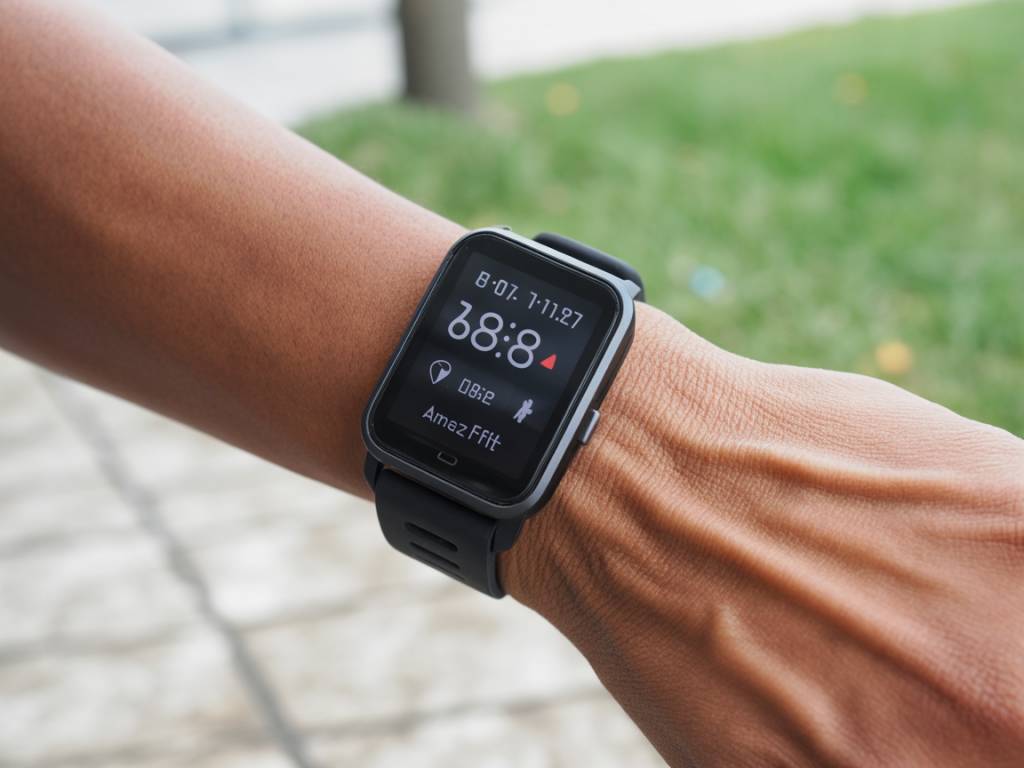
The Amazfit GTR 2 sits in an awkward but interesting space for active Americans. It is cheaper than an Apple Watch, lighter than most Garmin multisport watches, and yet promises up to two weeks of battery life with continuous health tracking. On paper, it looks like the type of “good enough at everything” gadget that can follow you from the office to a 10K race to a weekend hike without thinking about the charger.
The reality is more nuanced. After looking at its features, battery behavior and real-world performance for runners, gym-goers and casual athletes, the GTR 2 turns out to be a strong value play with clear limits you need to accept up front.
Key specs in plain language
For context, here are the essentials that matter to someone who actually moves a lot:
- Round AMOLED display, 1.39″, bright and readable outdoors
- Built-in GPS + GLONASS for phone-free tracking
- Optical heart-rate sensor with 24/7 monitoring and workout zones
- Blood oxygen (SpO2) spot checks, sleep and stress tracking
- Over 90 sport modes, including running, cycling, pool swimming and strength
- Water-resistant to 5 ATM (pool and shallow-water friendly)
- Claimed battery: up to 14 days “typical use”; around 25 hours of continuous GPS
- Works with both Android and iOS via Zepp app
- Price usually well under the latest Apple Watch or Garmin Forerunner models
This is not a hardcore triathlon computer and it is not trying to be. It is a fitness-focused smartwatch aiming at people who want robust tracking and strong battery life, without paying premium brand prices.
Design and comfort: built to disappear on your wrist
Active Americans often need a watch that can sit under a shirt cuff at 9 a.m., survive a lunchtime run and not feel like a brick during an evening strength session. The GTR 2 fits that role reasonably well.
The case is light for its size, and the included silicone strap is comfortable enough for day-to-day use. Wearing it to sleep is realistic, which matters if you want complete recovery data. For smaller wrists, the watch can feel a bit wide, but not heavy in the way some Garmin Fenix or older Suunto models can.
The AMOLED screen is one of its strengths: colors are vivid, text is sharp, and visibility in bright sun is adequate as long as brightness is not set to the absolute minimum. Always-on display mode exists but will have a noticeable impact on battery life, so most users will rely on wrist-raise to wake the screen during a workout.
Setup and the Zepp app experience
The GTR 2 syncs through the Zepp app (formerly Amazfit). Setup is straightforward: pair via Bluetooth, accept a few permissions, download any firmware updates and you are ready to go. For most users, this is a 10–15 minute process.
The Zepp app is functional rather than elegant. It gives you:
- Daily dashboard for steps, calories, heart rate and sleep
- Workout history with pace, distance, HR zones and route maps (for GPS workouts)
- Trend graphs over days, weeks and months
- Configuration options for notifications, watch faces and health tracking frequency
Compared with Apple Health or Garmin Connect, Zepp is less polished and sometimes cluttered, but it is serviceable. Data export and third-party integrations are more limited; if you live in Strava, TrainingPeaks or other advanced ecosystems, you will feel the difference. For many recreational athletes, however, the built-in analytics will be enough to show progress and patterns.
Fitness tracking: how accurate is it when you actually sweat?
Hardware specs are easy to list; performance under movement, sweat and temperature changes is what really matters. Here is how the GTR 2 holds up in common American training scenarios.
Running: good for pace and distance, “OK” for heart rate
For outdoor running with GPS on, distance and pace readings are generally close to what you would get from a proper running watch. Most user comparisons with Garmin or Apple Watch show typical deviations in the 1–3% range over 5K–10K runs when GPS lock is stable and you are in open areas.
Where the watch shows its mid-range nature is heart-rate accuracy at higher intensities. For easy and steady runs, the optical sensor tracks well, usually staying near a chest strap reference. Once you add intervals, hills or sprints, the watch tends to lag or under-report peaks. This is not unique to Amazfit—wrist HR is a known weak point in fast-changing workouts—but more expensive watches often have better algorithms and sensors.
If you are:
- A beginner or casual runner trying to stay in a general cardio zone: the data is good enough.
- Training with strict HR-based intervals for a half-marathon or marathon: you will still want a chest strap and a more performance-oriented watch, or at least a realistic expectation of small inaccuracies.
Strength and HIIT: usable tracking, rough edges
For gym work, the GTR 2 offers dedicated modes for “strength training,” “indoor cycling,” “elliptical,” “HIIT” and others. These modes mainly track elevated heart rate, estimated calories and workout duration. Unlike some high-end devices, it does not reliably auto-detect specific exercises or rep counts.
During circuit training or CrossFit-style sessions, heart-rate curves again show lag on rapid transitions—burpees, box jumps, sprints—then recovery. If you simply want to log that you did 40 minutes of intense work and get a ballpark calorie burn, it works. If you need precise zone control for short work/rest intervals, the GTR 2 is not your best ally.
Cycling and indoor cardio
For outdoor cycling, the same distance and GPS logic as running applies, but wrist-based HR is often slightly less stable because of arm position and road vibration. On an exercise bike, elliptical or rower, HR data is usually more consistent because the watch moves less and sweat spreads more evenly.
Again, this is a watch for people who want “reasonably accurate” metrics rather than lab-grade numbers. If you simply want to know whether today’s spin ride hit your usual intensity and how it compares to last week, the data is sufficient.
Swimming and waterproofing
The 5 ATM rating means the GTR 2 is comfortable in a pool or shallow open water, but not for scuba diving or serious freediving. In pool mode, it tracks laps, distance, stroke rate and SWOLF. Lap counting is fairly reliable once you enter the correct pool length, but flip turns or chaotic recreational swimming can confuse it.
For Americans who swim a few times per week for general fitness, it offers useful long-term trends in distance and pace. Competitive swimmers will want more granular metrics and more accurate rest-interval handling than this watch provides.
Health and “24/7” features
Beyond workouts, the GTR 2 markets itself to health-conscious users who care about recovery, sleep and stress—as many active Americans do.
Key features include:
- 24/7 heart-rate monitoring: configurable frequency; higher sampling gives better data but uses more battery.
- SpO2 (blood oxygen) spot measurements: useful as a rough indicator at altitude or during illness, but not a medical-grade tool.
- Sleep tracking: records total sleep time, light/deep/REM breakdown and periods of wakefulness.
- Stress score: derived from heart-rate variability; interpret it as a trend indicator, not a clinical metric.
Sleep detection is generally reliable at identifying when you fell asleep and woke up, with occasional confusion if you sit still watching TV in bed. For anyone trying to align training intensity with sleep quality, the combination of sleep data and resting heart rate will be more valuable than the nightly “score” itself.
Battery life: where Amazfit actually wins
This is the category where the GTR 2 earns most of its praise. Amazfit’s claim of up to 14 days of typical use is not unrealistic if you keep settings modest. In practice, active users tend to see something like this:
- Light use: mostly notifications, 24/7 HR, 2–3 short GPS workouts per week, no always-on display → around 10–14 days.
- Moderate use: daily GPS workouts of 30–45 minutes, frequent notifications, sleep tracking → around 7–10 days.
- Heavy GPS use: multi-hour hikes or long runs several times a week → closer to 4–6 days, depending on settings.
Even at the low end of these ranges, you are charging once a week rather than every night or every other night, as is common with an Apple Watch. For trail runners, hikers or anyone who travels often, this matters more than marketing copy suggests.
Charging from near-empty typically takes around 2 hours to reach full, using the included magnetic charger. There is no wireless charging support, so you will need to keep track of the proprietary cable.
Real-world use for different American lifestyles
How does the GTR 2 adapt to the typical patterns of active Americans who combine work, family and training?
Office worker who runs 3–4 times a week: The watch fits easily under a shirt sleeve, tracks commutes and steps, and handles evening or morning runs with good enough GPS. Weekly charging on Sunday night becomes a simple routine. As long as you are not training for a Boston-qualifying marathon with strict HR targets, it works.
Busy parent juggling gym, school runs and errands: Notifications on the wrist, quick workout logging at the gym, and long battery life mean less friction. Sleep tracking becomes a reality check on how fragmented your nights really are. The absence of advanced training load metrics will not be a major loss at this usage level.
Outdoor enthusiast: hikes, trail runs, camping weekends: The watch’s battery is a real asset here. A weekend camping trip with one or two long GPS activities will not automatically mean a dead watch before you are back home. The main compromise is mapping: you get route traces after the fact in the app, but not the advanced navigation tools found on specialized outdoor watches.
Weak spots and trade-offs to know before buying
Keeping expectations grounded is key with the GTR 2. The price is attractive, but it gets there by making some trade-offs.
- Wrist HR is imperfect under intense, fast-changing efforts. This is normal in the segment, but important if you rely heavily on HR-based intervals.
- Third-party ecosystem is limited. Direct, robust integration with Strava, TrainingPeaks and similar platforms is weaker than what Garmin or Apple offer.
- App polish and data visualization are mid-tier. You get the key graphs and numbers, but not the depth of analysis or coaching guidance of more expensive systems.
- No true “pro” training tools. Features like adaptive training plans, detailed VO₂ max analytics, advanced recovery time suggestions and structured workouts are basic or absent.
For some buyers, these are minor issues. For others—especially data-obsessed runners or cyclists—they are deal-breakers.
Who is the Amazfit GTR 2 really for?
Considering its strengths and limits, the GTR 2 fits best into three profiles of active Americans:
- The motivated beginner: You are moving from a basic step counter or no wearable at all. You want to start running, track mileage and get a sense of your sleep and daily activity. You do not plan to analyze power zones or lactate thresholds. For you, the GTR 2 offers a big upgrade without a big investment.
- The cost-conscious all-rounder: You run, you hit the gym, you bike on weekends. You want a single device that lasts a week on your wrist, gives you reasonable GPS tracking and works with either Android or iOS. You accept that you are not buying the “best in class” in any single sport, but a solid generalist.
- The battery-life-first buyer: You are tired of daily charging and simply want something that tracks your life and workouts without constantly begging for power. Among semi-smart, fitness-oriented watches, the GTR 2 offers a compelling balance of features and endurance for the price.
If you are training for a serious race with a coach, deeply invested in Strava segments or reliant on precise HR data, you will likely outgrow this watch quickly and should look to higher-end Garmin, Coros or Polar models, or an Apple Watch combined with a chest strap.
Practical buying advice
Before hitting “buy now,” it helps to run through a short checklist:
- Do you already use an ecosystem (Apple, Garmin, Fitbit) with years of data you care about?
- Is weekly charging acceptable, or are you coming from a simple fitness band with multi-week life?
- How important is direct Strava or training-platform integration to you?
- Are you OK with “close enough” accuracy for HR during sprints and HIIT?
- Do you need on-watch music, NFC payments or cellular connectivity, which the GTR 2 does not prioritize at the same level as some competitors?
Answering these honestly will make the GTR 2 either feel like a smart bargain or a compromise you will resent after a few months.
Key takeaways
Boiling the GTR 2 down to a few essentials for active Americans:
- It offers strong battery life, solid GPS and decent health tracking at a price below big-name competitors.
- Its fitness data is “good enough” for general training, but not precise or integrated enough for serious performance analytics.
- The Zepp app is functional and provides useful long-term trends, but the ecosystem and integrations are limited compared with Apple or Garmin.
- If you prioritize endurance, versatility and value over advanced metrics and tight ecosystem features, the Amazfit GTR 2 remains a realistic and rational option.