


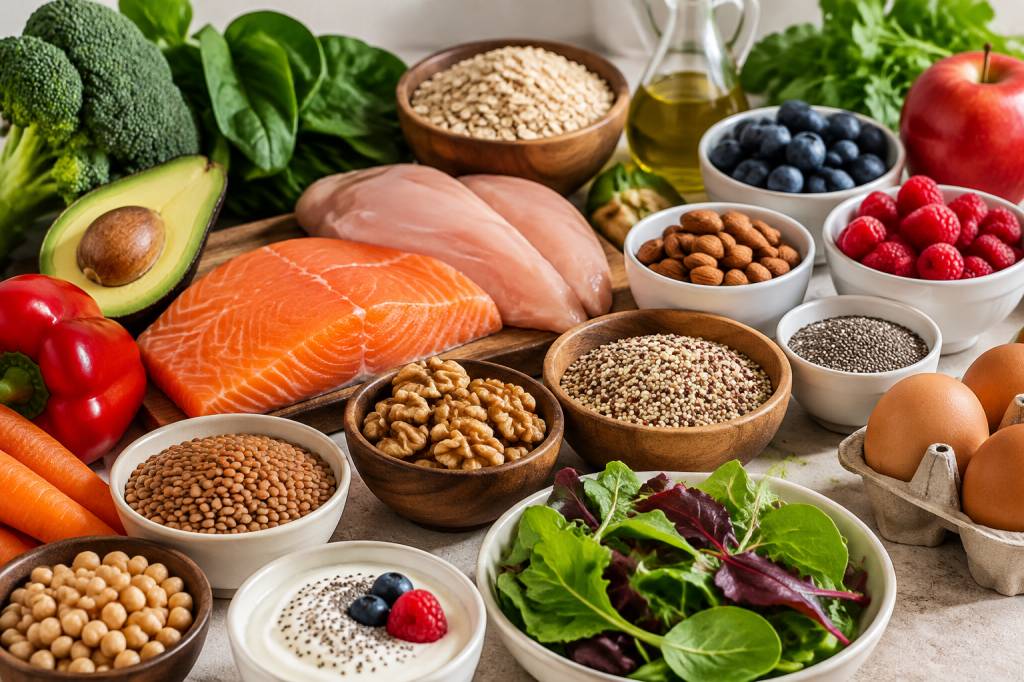
A healthy diet does not depend on one “superfood.” It depends on the pattern of meals over time: a mix of vegetables, fruit, whole grains, protein-rich foods and sources of unsaturated fat. The foods below offer practical options for building that pattern. They are not a ranking, and no single item is essential; affordability, allergies, culture and personal health needs all matter.
The list includes fresh, frozen, canned and dried choices. Frozen vegetables can be as useful as fresh ones, while canned beans save cooking time. Check labels where relevant, particularly for added salt, sugar or syrup. The simplest test is practical: can you see how this food could fit into a meal you already enjoy?
Vegetables for everyday meals
Vegetables provide fiber and a range of vitamins and minerals. Eating different colors across the week is an easy way to broaden your choices. Fresh is not the only good option: frozen vegetables are convenient, and canned varieties can work when drained or rinsed.
- Spinach: Stir into eggs, soups or pasta near the end of cooking.
- Kale: Add chopped leaves to stews, or roast them until crisp.
- Broccoli: Steam, roast or add to a grain bowl for fiber and crunch.
- Brussels sprouts: Roast halved sprouts as a side dish or slice them into a salad.
- Carrots: Eat them raw, roast them, or grate them into soups and sauces.
- Red bell peppers: Use raw strips for snacks or cook them into stir-fries.
- Tomatoes: Fresh tomatoes suit salads; canned tomatoes make a useful base for sauces.
- Sweet potatoes: Bake or roast them and serve with beans, yogurt or fish.
- Cauliflower: Roast florets or add them to curries and soups.
- Red cabbage: Shred it for slaws, tacos or sandwiches; it keeps well in the refrigerator.
Fruit for snacks and sides
Whole fruit brings fiber along with naturally occurring sugars. It can be a snack on its own, a topping for porridge or yogurt, or a simple dessert. Dried fruit is more concentrated and easy to over-portion, so a small serving is usually enough.
- Blueberries: Add fresh or frozen berries to oatmeal, yogurt or smoothies.
- Strawberries: Serve them sliced with breakfast or alongside a savory salad.
- Apples: Pair one with nuts or cheese for a convenient snack.
- Oranges: Eat the whole fruit for its fiber, or use segments in salads.
- Bananas: Mash into oats or blend into a smoothie; ripe bananas also sweeten baking.
- Pears: Enjoy them fresh, or bake with cinnamon for a simple dessert.
- Kiwi: Slice into breakfast bowls or eat as a quick snack.
- Avocado: Add slices to toast, salads or beans for satisfying unsaturated fat.
- Pomegranates: Sprinkle the seeds over grain bowls, salads or yogurt.
- Raisins: Mix a small handful into oatmeal or trail mix; they are easy to overeat straight from the bag.
Whole grains that keep meals filling
Whole grains retain more of the grain’s structure than refined versions and typically provide more fiber. “Whole grain” on the front of a package is not always enough to judge a product: check the ingredient list and look for whole-grain ingredients near the start.
- Rolled oats: Cook as porridge or use in overnight oats and homemade patties.
- Brown rice: Serve with vegetables, eggs, tofu or beans.
- Quinoa: Use as a base for lunch bowls or as a side dish.
- Whole-wheat bread: Build sandwiches with vegetables and a protein-rich filling.
- Whole-wheat pasta: Pair with tomato sauce, vegetables and beans or fish.
- Barley: Add to soups and stews for a chewy, filling texture.
- Buckwheat: Cook the groats as a side or use buckwheat flour in pancakes.
- Bulgur: It cooks quickly and works well in salads and pilafs.
- Farro: Serve warm with roasted vegetables or chilled in a grain salad.
- Popcorn: Choose lightly salted or plain popcorn for a whole-grain snack.
Beans, lentils and other plant proteins
Beans, peas and lentils provide protein and fiber, and dried or canned options can be economical. Canned beans are already cooked, making them a practical addition to weeknight meals. If salt is a concern, select lower-sodium versions or rinse them before use.
- Black beans: Add to tacos, soups, rice bowls or mashed spreads.
- Chickpeas: Roast for a crunchy topping or add to curries and salads.
- Lentils: Red lentils cook quickly in soups; green and brown lentils hold their shape.
- Kidney beans: Use in chili, bean salads or vegetable stews.
- Edamame: Serve steamed as a snack or add shelled beans to rice bowls.
- Split peas: Cook into a thick soup with vegetables and herbs.
- Tofu: Press, season and bake or pan-fry; it takes on the flavor of sauces.
- Tempeh: Slice into stir-fries or sandwiches for a firm, fermented soy option.
- Green peas: Frozen peas cook quickly and can be added to pasta, rice or soups.
- Hummus: Use as a dip for vegetables or a spread in sandwiches and wraps.
Protein-rich animal foods
Protein can come from both plant and animal sources. Fish, eggs, poultry and dairy offer different nutrients and textures; portion size and preparation matter too. Baking, grilling, steaming and gentle pan-cooking often require less added fat than deep-frying.
- Salmon: Bake or grill and serve with vegetables and a whole grain.
- Sardines: Canned sardines are ready to eat on toast, in salads or with potatoes.
- Trout: Roast with lemon and herbs for a straightforward main dish.
- Herring: Serve with potatoes or rye bread; compare labels on smoked or pickled versions.
- Skinless chicken breast: Grill, roast or slice into soups and salads.
- Turkey: Use roasted slices or lean ground turkey in sandwiches, soups and sauces.
- Eggs: Boil, scramble or poach them for a quick meal with vegetables.
- Plain Greek yogurt: Choose unsweetened yogurt and add fruit, oats or nuts yourself.
- Cottage cheese: Serve with fruit or tomatoes, or use in savory toast toppings.
- Kefir: Drink plain or blend with fruit; check labels for added sugar.
Nuts and seeds for crunch and healthy fats
Nuts and seeds are energy-dense, so a small serving can add flavor and staying power. Choose unsalted or lightly salted options when possible. A spoonful of seeds or a small handful of nuts is often enough to improve a meal’s texture.
- Almonds: Keep a small portion for a snack or scatter chopped almonds over oats.
- Walnuts: Add to salads or oatmeal; their soft texture also works in sauces.
- Pistachios: Choose in-shell nuts when you want a slower, portion-aware snack.
- Peanuts: Use whole peanuts or peanut butter in sauces, snacks and breakfasts.
- Chia seeds: Stir into yogurt or oats, or soak to thicken a pudding.
- Ground flaxseed: Mix into porridge or smoothies; ground flax is easier to use than whole seeds.
- Pumpkin seeds: Sprinkle over soups, salads or roasted vegetables.
- Sunflower seeds: Add to grain bowls or homemade snack mixes.
- Hemp seeds: Scatter over yogurt, salads or toast for a mild, nutty flavor.
- Tahini: Whisk with lemon and water for a quick dressing or sauce.
Flavorful additions and useful pantry staples
Healthy meals do not have to taste plain. Herbs, spices and fermented foods can add character, while oils and pantry staples make cooking easier. These ingredients are useful in context; they are not substitutes for a varied diet.
- Extra-virgin olive oil: Use in dressings or for moderate-heat cooking.
- Garlic: Add to beans, vegetables, soups and sauces for a strong savory base.
- Ginger: Grate into stir-fries, soups or tea for a sharp, warming flavor.
- Turmeric: Use in lentil dishes or soups; black pepper and other seasonings can round out the flavor.
- Cinnamon: Sprinkle over oats, yogurt or baked fruit instead of relying on sweet toppings.
- Fresh parsley: Chop into salads, grain bowls or sauces just before serving.
- Basil: Add to tomato dishes, pasta or sandwiches.
- Sauerkraut: Use a small serving as a tangy topping; check sodium on the label.
- Kimchi: Add to rice bowls or eggs for a spicy, fermented accent; it can be high in sodium.
- Dark chocolate: Choose a small portion as a treat, and compare products for added sugar.
Building balanced meals without overthinking
A list of 100 foods is useful only if it helps with real meals. One simple framework is to fill about half the plate with vegetables and fruit, include a protein source, and add a whole-grain or starchy food. This is a flexible guide, not a rule for every person or every meal. Appetite, activity, medical needs and cultural food traditions vary.
For example, a weekday lunch could combine brown rice, black beans, roasted peppers, spinach and avocado. A quick breakfast might be oats topped with banana, walnuts and plain yogurt. For dinner, try baked salmon with broccoli and potatoes, or lentil soup with whole-wheat bread. These combinations use ordinary ingredients, not specialist products.
Planning can also reduce waste. Cook a larger batch of grains or lentils, freeze portions, and use frozen vegetables when fresh produce is expensive or likely to spoil. If you have a health condition, food allergy or specific dietary requirement, advice from a qualified health professional can help tailor choices safely.
Key points to keep in mind
- Variety matters: Rotate foods across categories rather than relying on one highly promoted ingredient.
- Convenience counts: Frozen vegetables, canned beans and plain canned fish can support balanced meals.
- Preparation matters: Labels, portion sizes and cooking methods can change the overall nutrition of a choice.
- Consistency beats perfection: A practical mix of foods most days is more useful than an ideal menu that is hard to maintain.